Cross-Platform Offer Mechanics: How Athletic Event Data Streams Reshape Casino Volatility Settings in Bundled Gambling Incentives
Noah Roth · Oct 29, 2026

Cross-Platform Offer Mechanics: How Athletic Event Data Streams Reshape Casino Volatility Settings in Bundled Gambling Incentives
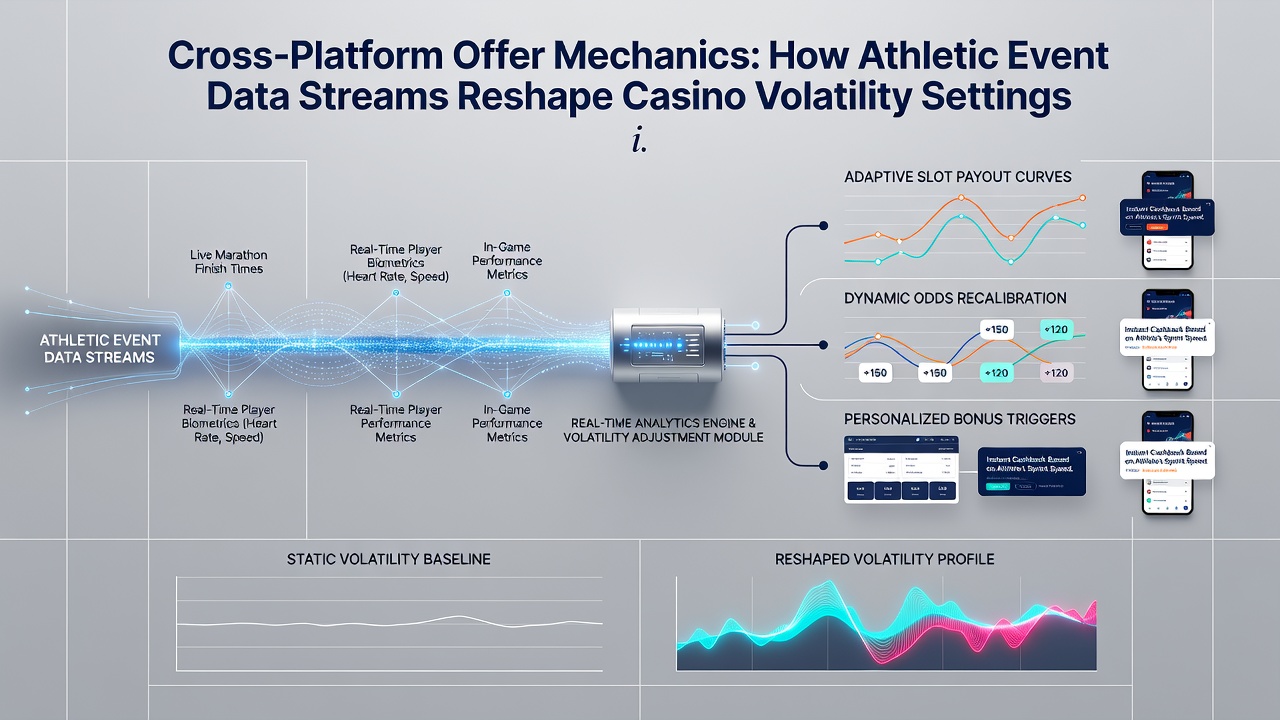
Athletic event data streams feed directly into cross-platform systems that manage bundled gambling incentives, and operators adjust casino volatility settings in response to live inputs from sports matches across multiple jurisdictions. These streams include real-time statistics on player performance, scoring patterns, and game tempo, which platforms integrate with casino game parameters to modify return-to-player percentages and hit frequencies during active promotions. In October 2026 data from several North American markets showed continued expansion of such integrations, with platforms processing thousands of data points per second to recalibrate slot and table game volatility within incentive bundles that combine sports wagers and casino play.
Data Integration Across Platforms
Operators collect athletic event feeds from official league sources and third-party aggregators, then route the information through centralized engines that communicate with casino management systems. Researchers at institutions tracking gaming technology note that these engines apply algorithms to shift volatility levels when specific athletic thresholds occur, such as a high-scoring quarter or an unexpected lead change. The adjustments occur within bundled offers where a sports bet qualifies a player for casino bonuses, and the volatility settings determine the risk profile of the linked casino games during the promotional window. Platforms maintain separate compliance logs for each jurisdiction, ensuring that volatility changes align with local regulatory requirements while preserving the overall structure of the incentive package.
Volatility Adjustment Mechanisms
Volatility settings in casino games respond to athletic data through predefined rule sets that operators update seasonally, and the process begins when incoming streams trigger conditional statements within the platform software. For instance, a surge in defensive stops during a football game can lower the volatility of associated slot titles in the bundle, increasing the frequency of smaller wins to maintain player engagement across the combined offer. Data indicates that such modifications happen in milliseconds, allowing seamless transitions between the sports component and the casino segment without interrupting the user experience. Observers at industry conferences have documented cases where platforms in multiple states synchronized these changes during overlapping league seasons, creating consistent mechanics across different regulatory environments.
Bundled Incentive Structures
Bundled incentives link a qualifying sports wager to casino credits or free spins, yet the volatility parameters of those casino elements adapt based on the outcome profile of the athletic event. This linkage allows operators to balance payout liabilities by raising or lowering variance in real time, and the approach appears in promotions tied to major tournaments where data volume peaks. In one documented implementation, a platform adjusted table game volatility after a basketball game entered overtime, shifting from medium to low variance to extend play sessions within the bundle. Those who study these systems report that the mechanics rely on historical correlations between event types and player behavior patterns, which operators refine through ongoing analysis of transaction records across platforms.
Geographic variations influence how these bundles operate, with European operators often emphasizing table game adjustments while North American platforms focus more on slot volatility during football and basketball seasons. A report from the American Gaming Association outlines the technical standards that support such cross-platform data flows, highlighting the role of secure APIs in maintaining integrity across different product categories. Another analysis from the Australian Institute of Criminology examines similar integrations in international markets, noting the emphasis on audit trails that document every volatility change triggered by athletic streams.
Regulatory and Technical Considerations
Regulatory bodies in various regions require operators to disclose the parameters governing volatility adjustments within bundled offers, and compliance teams verify that athletic data streams do not introduce unauthorized changes outside approved windows. Technical infrastructure includes redundant data centers that process feeds from multiple leagues simultaneously, ensuring continuity when one source experiences latency. People who manage these systems emphasize the importance of version control for the rule sets that translate athletic metrics into casino parameters, since even minor updates can affect the distribution of outcomes across thousands of active bundles. In October 2026 several jurisdictions updated their reporting templates to capture more granular information on these adjustments, reflecting the growing scale of cross-platform activity.
Player Retention and Offer Delivery
Platforms deliver bundled incentives through mobile applications and desktop interfaces that display both the sports component and the casino elements in a unified view, while backend systems handle the volatility recalibrations invisibly. Retention metrics tracked by operators show that players who receive offers with dynamic volatility settings tend to complete more of the required playthrough conditions than those in static bundles. The mechanics rely on segmentation of player cohorts based on historical athletic betting patterns, allowing tailored volatility profiles that align with observed preferences during specific event types. This segmentation draws from aggregated, anonymized datasets rather than individual tracking, maintaining compliance with privacy standards across operating regions.
Conclusion
Cross-platform offer mechanics continue to evolve as athletic event data streams gain greater influence over casino volatility settings in bundled gambling incentives. The integration of real-time sports information with casino parameters creates a responsive framework that operators refine through technical and regulatory processes. Figures from multiple markets in October 2026 illustrate the ongoing expansion of these capabilities, supported by infrastructure that handles high-volume data flows while meeting jurisdictional requirements. Those examining the sector observe that the relationship between athletic streams and volatility adjustments remains a central element in the design of multi-product promotions across global platforms.