Currency Volatility Effects on Cross-Border Wagering Incentives and Line Compilation in Multi-Region Platforms
Leon Keller · Nov 12, 2026
Currency Volatility Effects on Cross-Border Wagering Incentives and Line Compilation in Multi-Region Platforms
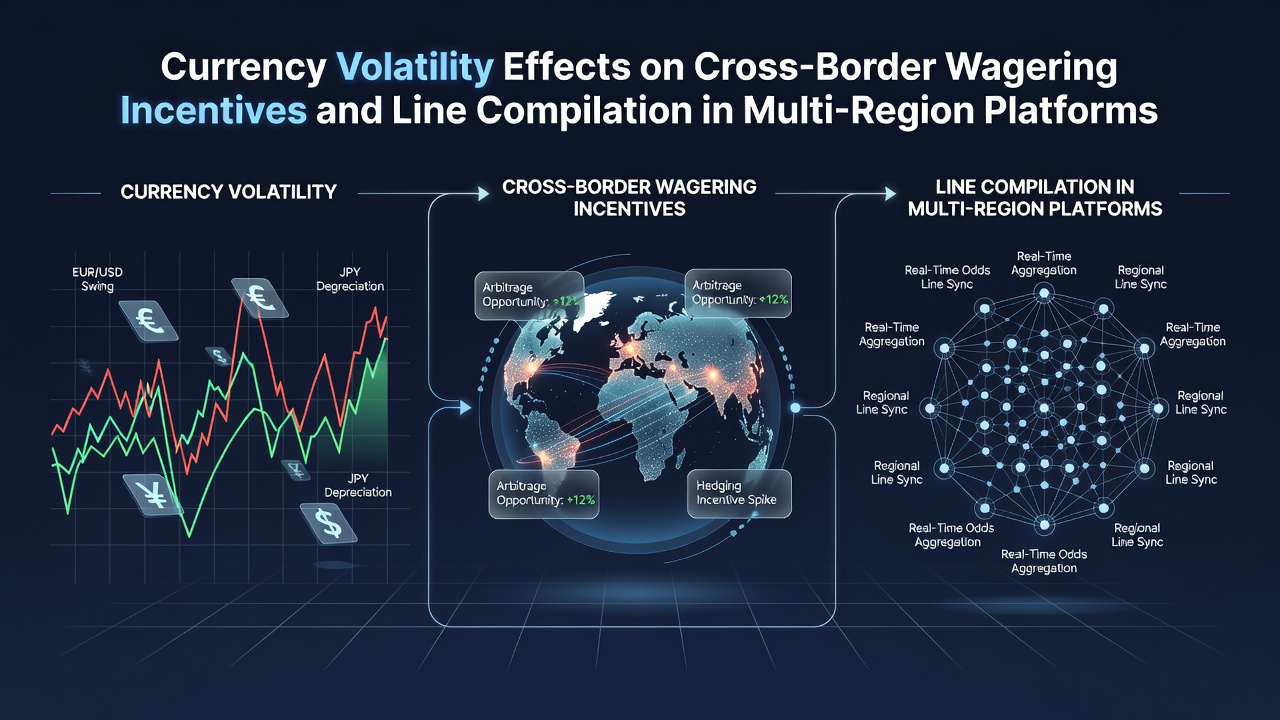
Currency volatility shapes how operators structure cross-border wagering incentives because exchange rate swings directly alter the real value of bonuses, deposit matches, and cashback offers that platforms extend to users in different jurisdictions. Platforms operating across multiple regions must recalibrate these incentives whenever major currency pairs move beyond established thresholds, since a sudden depreciation in one market can erode the intended promotional value while appreciation in another creates unexpected windfalls for bettors. Data from November 2026 showed heightened volatility between the USD and EUR following central bank policy signals, which prompted several multi-region operators to adjust incentive percentages on a weekly rather than monthly basis to maintain consistent player economics.
How Exchange Rate Fluctuations Alter Incentive Structures
Operators track real-time forex feeds to determine when incentive offers require revision, because a 3 percent shift in the CAD to USD rate can change the effective cost of a deposit bonus offered to Canadian users accessing a platform based in the United States. Researchers at academic institutions studying gambling economics have documented that platforms often embed automatic adjustment clauses in their bonus terms, allowing them to scale reward percentages or maximum caps in response to currency movements exceeding 2 percent within a 48-hour window. Observers note that these clauses protect operator margins while preserving the promotional appeal that drives player acquisition in volatile markets.
Multi-region platforms also face challenges when converting loyalty points or tiered rewards across currencies, since accumulated points earned in one jurisdiction may lose or gain purchasing power when redeemed elsewhere. Studies from research institutions indicate that platforms mitigate this issue through dynamic conversion rates updated daily, yet those same studies reveal that sudden volatility spikes still produce temporary mismatches that affect player retention metrics in the short term. One study revealed that platforms using fixed conversion schedules experienced higher complaint volumes during periods of elevated currency swings compared with those employing real-time adjustments.
Line Compilation Adjustments Across Regions
Line compilation teams at multi-region operators incorporate currency volatility models into their pricing algorithms because odds expressed in different base currencies must reflect both the underlying event probabilities and the current exchange environment. When the AUD weakens against the GBP, for example, Australian users placing wagers on European leagues may see adjusted decimal odds that account for the changed cost basis of the underlying liability. Platforms maintain separate risk engines for each currency silo while sharing core probability data, which allows them to isolate volatility effects without disrupting global line integrity.
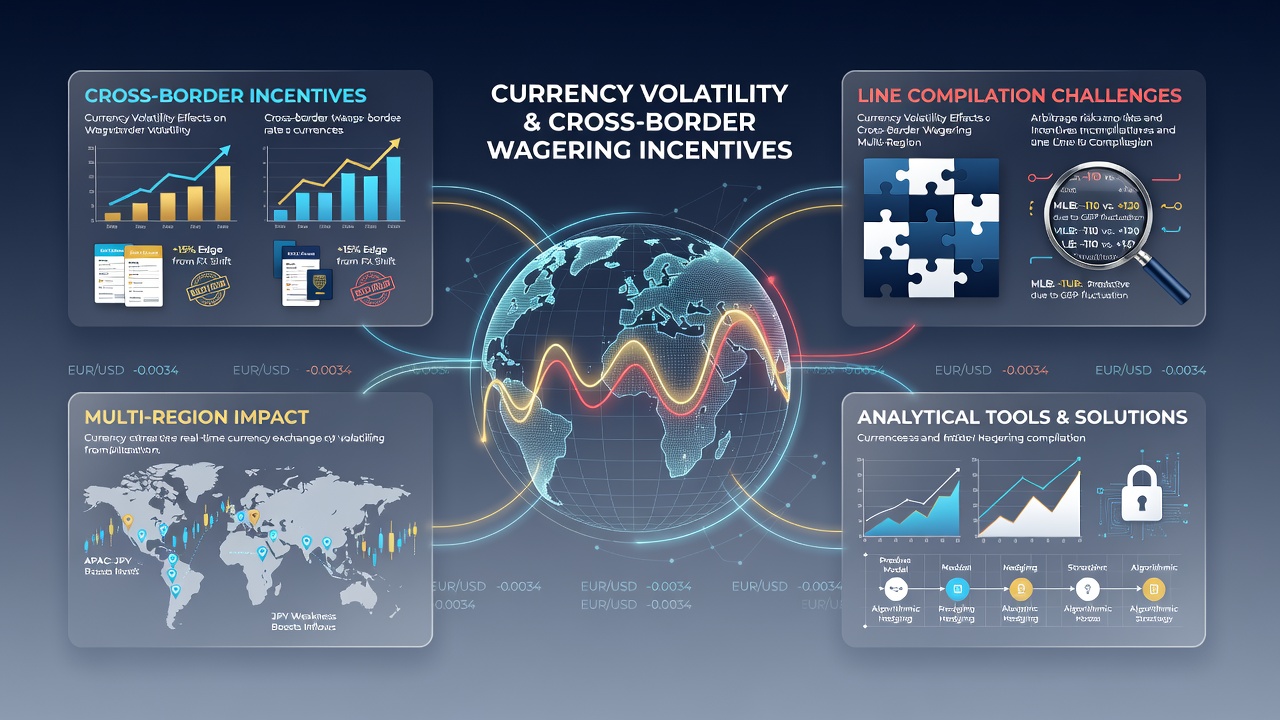
Those who've studied this process know that volatility also influences the timing of line releases, because operators prefer to publish updated odds after major currency movements stabilize rather than during active swings. Figures from November 2026 indicated that several platforms delayed line compilation for high-volume events by up to four hours when the JPY experienced rapid movements against the USD, allowing risk managers to recalibrate exposure before accepting cross-border wagers. This practice reduces the likelihood that currency-driven discrepancies will create arbitrage opportunities between regional markets.
Regulatory and Operational Responses
Regulatory bodies in various jurisdictions require operators to disclose how currency volatility may affect the value of offered incentives, and data from the Australian Gambling Research Centre shows increased scrutiny on promotional material that fails to note potential exchange rate impacts. Platforms respond by including standardized risk warnings in terms and conditions while maintaining internal dashboards that flag when incentive values deviate beyond acceptable bands. The Responsible Gambling Council in Canada has published guidance encouraging transparent communication of these adjustments to users.
Operators further address these issues through hedging strategies that lock in exchange rates for incentive budgets over defined periods, although hedging costs themselves become part of the overall expense model that influences how aggressively platforms can promote in certain regions. Research indicates that platforms with sophisticated treasury functions maintain lower effective volatility exposure and therefore sustain more consistent incentive offerings across borders even during turbulent forex periods.
Conclusion
Currency volatility continues to exert measurable influence on both incentive design and line compilation practices within multi-region wagering platforms, requiring ongoing technical and operational adaptations that integrate forex data into core business processes. Platforms that embed real-time monitoring and flexible adjustment mechanisms demonstrate greater stability in player economics across jurisdictions, while regulatory oversight ensures users receive appropriate information about potential value fluctuations. As global markets evolve, the interplay between exchange rates and cross-border wagering mechanics remains a central consideration for operators managing incentives and odds at scale.